Bracing in Brooklin: Support for Injury, Pain, and Recovery
What is bracing and how can it help?
Bracing is the use of an external support device to protect, stabilize, or assist a joint or body region during injury, recovery, or long-term condition management. It can help reduce pain, improve confidence with movement, and support you as you return to work, sports, or daily activities like walking and climbing stairs. Braces are commonly used alongside physiotherapy, chiropractic, and other rehab services to help you heal safely and prevent re-injury.
Bracing may be recommended:
After an acute injury or sprain.
During post-surgical rehabilitation.
For chronic conditions such as osteoarthritis.
For sports, work, or repetitive tasks that place high demand on a joint.
Off-the-shelf vs. custom bracing?
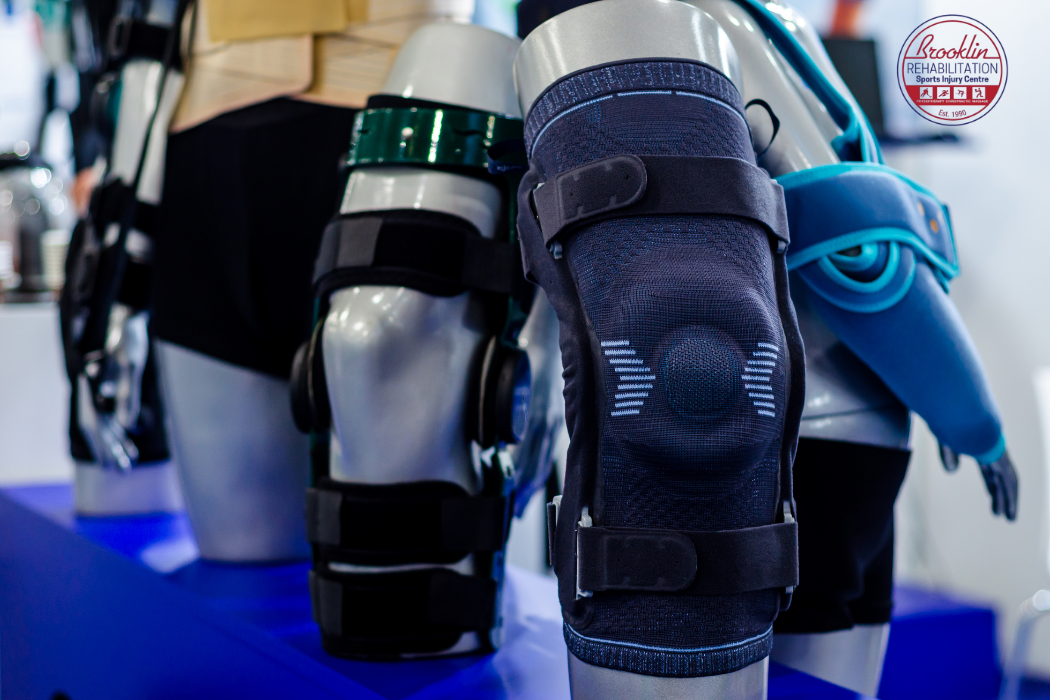
There are two main types of orthopedic bracing available at our Brooklin clinic: off-the-shelf and custom-made.
Off-the-Shelf Braces
Off-the-shelf braces are pre-fabricated devices that come in standard sizes with some level of adjustability. They are:
Cost-effective and convenient.
A good choice for mild to moderate injuries or short-term use.
Available quickly for immediate support.
Because they are not built to your exact measurements, they may not always provide the same level of precision, comfort, or long-term control as a custom brace, especially for more complex or high-demand conditions.
Custom Braces
Custom braces are designed using your specific measurements, anatomy, and activity demands. They are ideal when you need:
Maximum support and stability for ligament injuries or osteoarthritis.
Long-term bracing for chronic or complex conditions.
Better comfort, alignment, and protection during sport or work demands.
Custom knee bracing is one of the specialty services offered at Brooklin Rehabilitation & Sports Injury Centre, often used for ligament injuries (such as ACL) and advanced osteoarthritis management.
What type of bracing do we offer in Brooklin?
At Brooklin Rehabilitation & Sports Injury Centre, we provide both off-the-shelf and custom bracing solutions to support your recovery, performance, and long-term joint health. We work with trusted orthopedic bracing manufacturers, including Bauerfeind and DonJoy, known for high-quality, evidence-informed knee, ankle, back, and upper-limb braces. Our team will assess your condition, discuss your goals, and recommend the brace type that best fits your needs and lifestyle.
We offer bracing for:
Spine and low back
Upper extremity: hands, thumbs, wrists, elbows, shoulders
Lower extremity: hips, knees, ankles, feet
Each brace is professionally measured and fitted to help you achieve optimal comfort, function, and protection during daily activities, work, and sport.
Do I need a referral for a brace?
You do not need a doctor’s referral if you plan to self-pay for bracing at our Brooklin clinic. You are welcome to purchase either an off-the-shelf brace or proceed with custom bracing after an assessment with our team.
If you plan to submit your brace for insurance reimbursement, we strongly recommend contacting your extended health benefits provider in advance. Requirements can vary and may include:
A physician’s prescription.
Specific wording or diagnosis on the referral.
Documentation that the brace is medically necessary and custom-made.
Coverage and documentation requirements differ by insurance company and plan, so checking beforehand can help avoid surprises and ensure your claim is processed smoothly.
If you are seeking reimbursement from your extended health insurance company, we recommend calling them prior to purchasing a brace as insurance requirements differ by provider and plan and many have different processes. WSIB and MVA related insurance will typically cover the cost of braces in approved claims.
What conditions does bracing help with?
Bracing can be helpful for many acute and chronic conditions, including but not limited to:
Osteoarthritis (including knee and thumb OA)
Tennis elbow (lateral epicondylitis)
Carpal tunnel syndrome
Knee injuries (ligament sprains, meniscal irritation, patellofemoral pain)
Ankle sprains and chronic ankle instability
Sports-specific injuries and joint instability
Post-surgical rehabilitation (e.g., post-ACL reconstruction, post-fracture stabilization)
Your clinician will determine whether bracing is appropriate and how it should be combined with physiotherapy, exercise, and other treatments to best support your recovery.
If you’re unsure which brace is right for you or would like a professional fitting, contact Brooklin Sports Physiotherapy today or book an appointment online to discuss your bracing and rehabilitation needs with our experienced team!